Common Mistakes When Building a Racing Cockpit and How to Avoid Them
Building a Racing Cockpit – From Concept to Execution
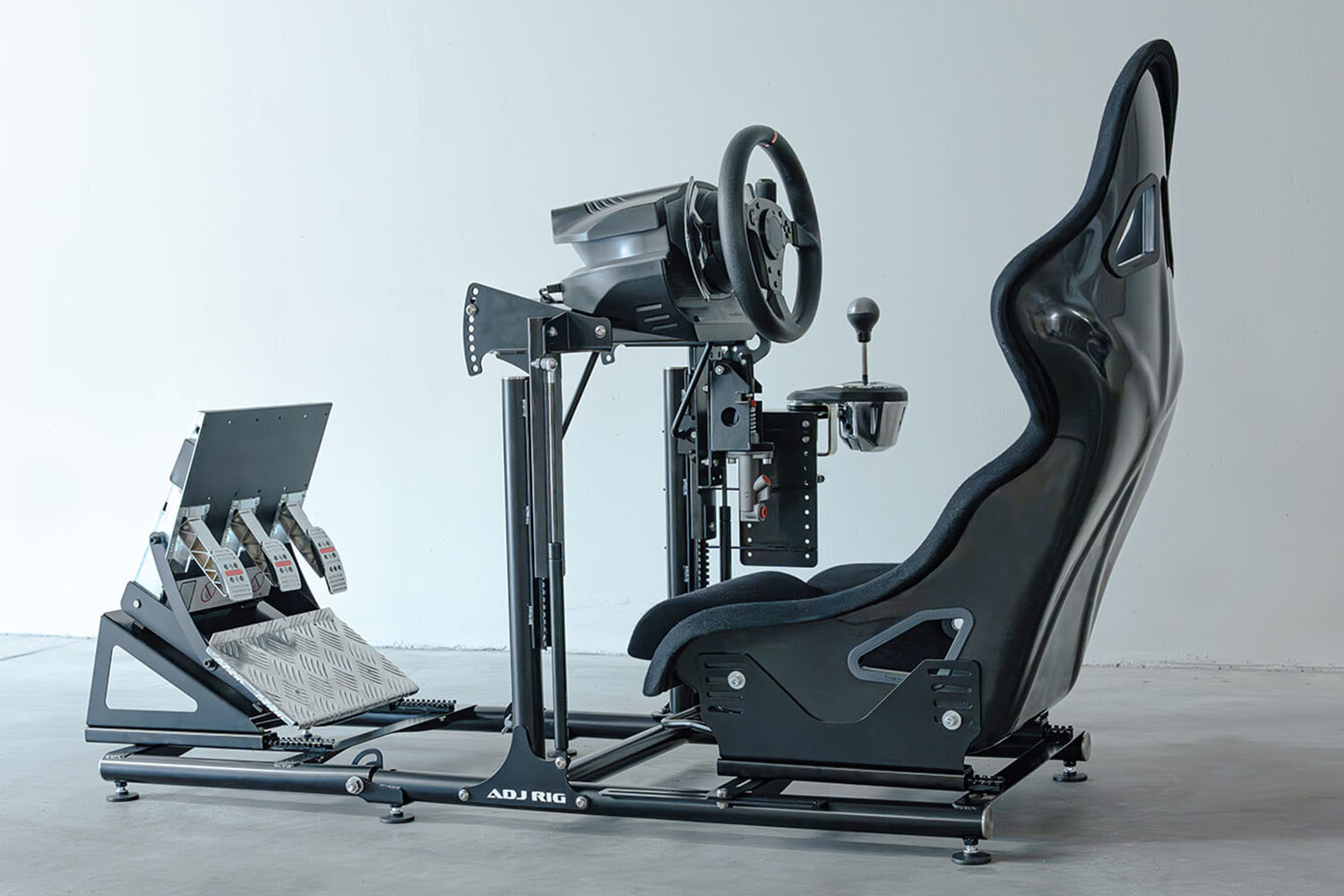
Designing your own sim racing setup is an exciting project, but it requires precision and well-thought-out decisions. A key component is a solid steering wheel mount, which ensures stability and delivers a realistic racing experience. In this article, we highlight the most common mistakes made during cockpit construction and provide tips on how to avoid them.
1. Choosing Inappropriate Materials
Mistake:
Using weak, inexpensive materials like thin aluminum profiles or plastic components.
Why it’s a problem:
Low-quality materials can cause vibrations, negatively affecting driving precision. The steering wheel mount, in particular, must be sturdy enough to withstand the forces generated by force feedback.
Solution:
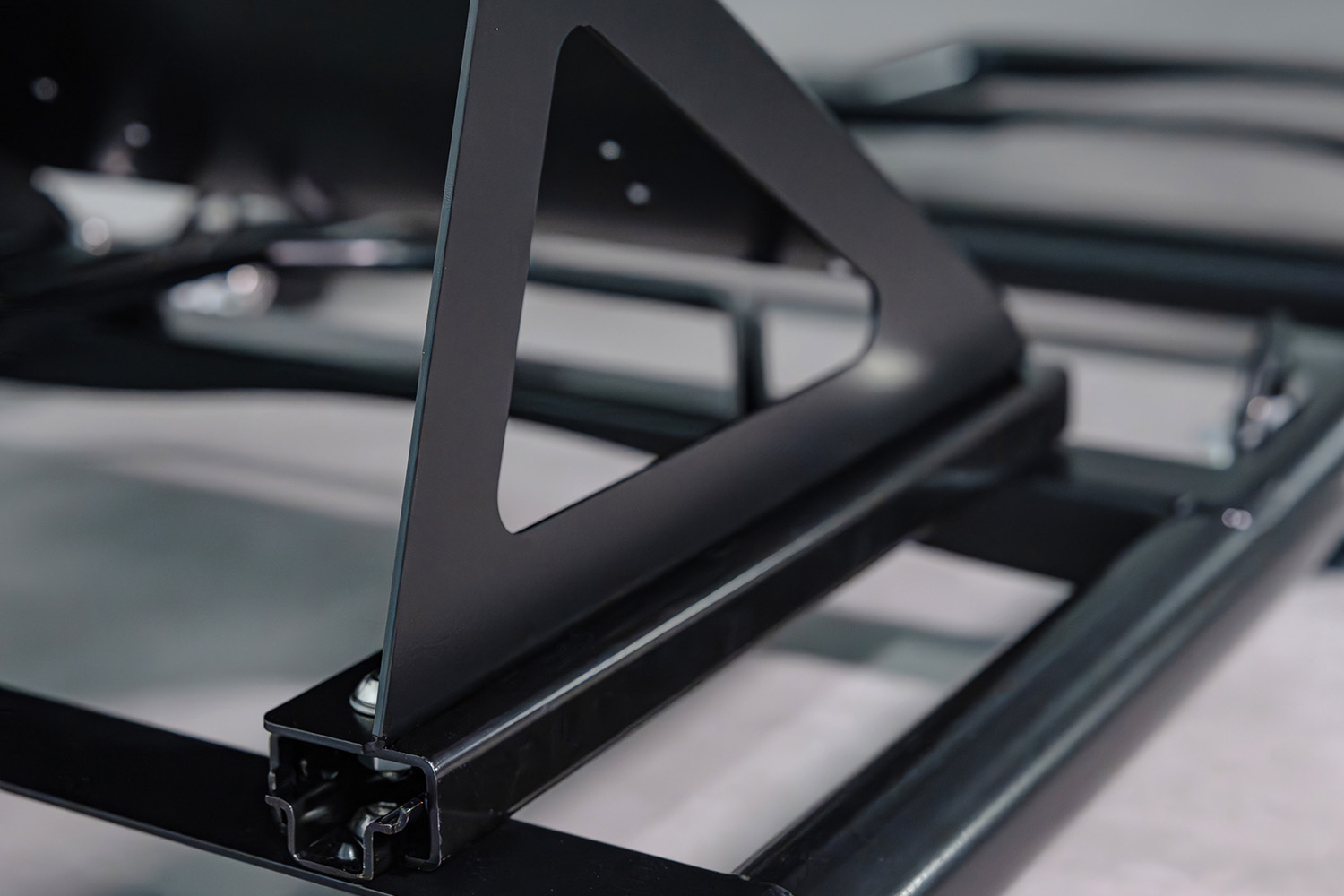
Opt for durable materials such as stainless steel or thick aluminum profiles. If building the cockpit yourself, pay attention to the quality of connections and the overall stability of the structure.
2. Lack of Adjustability in the Steering Wheel Mount
Mistake:
Failing to provide adjustable positions for the steering wheel, pedals, or seat.
Why it’s a problem:
Drivers differ in height, arm reach, and preferred seating position. Poor ergonomics lead to faster fatigue and limited control over the simulator.
Solution:
Choose a steering wheel mount with adjustable tilt and height. High-end mounts also allow precise adjustments for pedals and the seat, ensuring every user can personalize their setup.
3. Being Too Frugal with Accessories
Mistake:
Opting for budget-friendly solutions like steering wheels without force feedback or plastic pedals.
Why it’s a problem:
Cheap accessories often fail under intensive use, leading to frustration and the need to replace components with higher-quality ones later.
Solution:
Invest in quality from the start. A sturdy steering wheel mount should be compatible with premium equipment like the Thrustmaster T300, Logitech G923, or Fanatec CSL Elite.
4. Not Planning for Additional Accessories
Mistake:
Building a cockpit without considering space for a shifter, handbrake, or other extras.
Why it’s a problem:
Upgrading the cockpit later can be challenging and may require reworking the structure.
Solution:
When planning your setup, think about future enhancements. Choose a modular steering wheel mount that allows for easy addition of new components.
5. Improper Equipment Mounting
Mistake:
Loose screws or improperly secured steering wheels and pedals.
Why it’s a problem:
Poorly mounted equipment may shift during use, affecting driving precision.
Solution:
Always use the appropriate tools and mounting hardware. Regularly check all connections to ensure nothing loosens over time.
6. Ignoring Seating Comfort
Mistake:
Choosing an uncomfortable seat that doesn’t provide proper back support.
Why it’s a problem:
Spending long hours in a poorly designed seat can lead to back pain and diminish the enjoyment of racing.
Solution:
Invest in a bucket seat or an ergonomic office chair that provides comfort even during extended sessions.
7. Not Allocating Enough Space for the Cockpit
Mistake:
Placing the setup in a cramped area, making it difficult to access and limiting movement.
Why it’s a problem:
Lack of space can restrict future upgrades to the setup.
Solution:
Plan the space around your cockpit. Ensure there’s enough room for steering movements and easy access to all components.